
Traveling in Japan is a must for plant and garden lovers!
When traveling to a country, my interest is in the nature, landscapes, and plants growing there. During my long-term stay in Japan, I lived for weeks on a remote island, wandered along beautiful shores with crystal-clear waters, strolled through hundreds of orange and mandarin orchards, and tea plantations that covered the island.
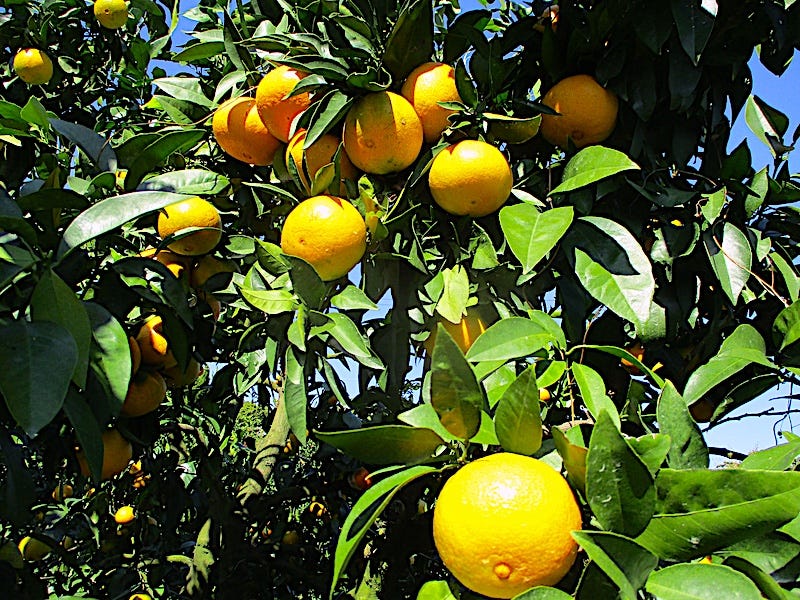
I admired the amazing nature from Tokyo to Nagasaki on the southern tip of Japan, the gorges and waterfalls, erupting volcanoes, rice-fields and gardens, and cherished the wonderful forests of blue bamboo.


But I also visited the man-made famous “great gardens of Japan”.
They include Kenroku-en Garden in Kanazawa, Koraku-en Garden in Okayama, and Sankei-en Garden in Yokohama. All of them are huge strolling gardens where you can walk for hours between lakes, rocks, moss, and large trees, such as maple or pines.
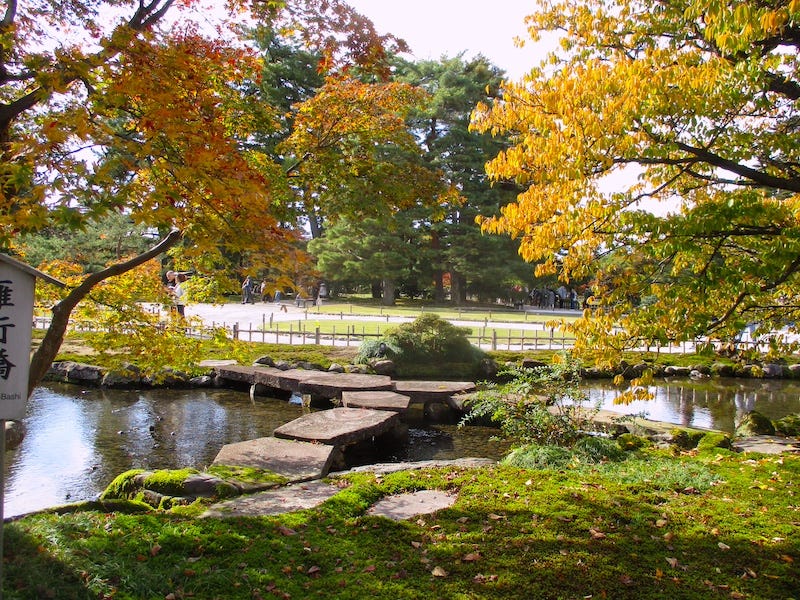
Admission to these lovely gardens is either pretty low or, for certain ages, free. Kenroku-en Garden in Kanazawa was also free on Saturday nights in October and November when the garden was lit with thousands of lights.

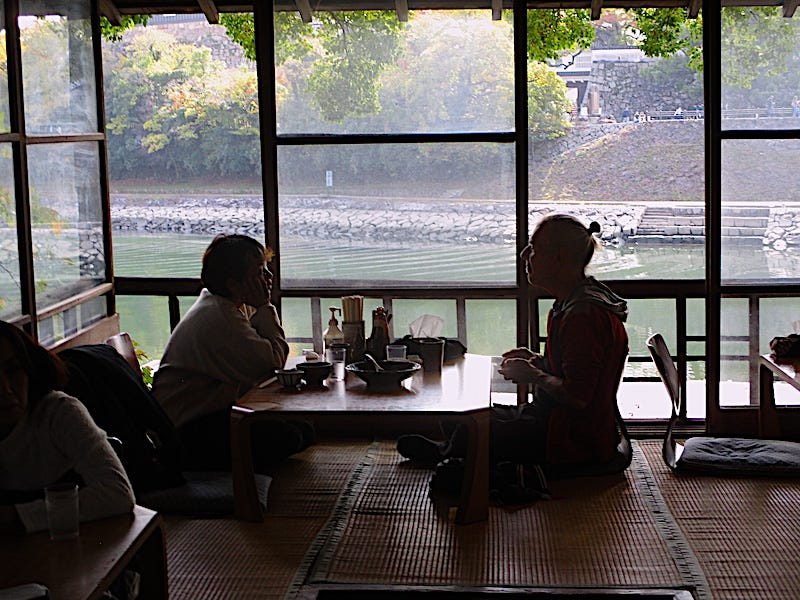
These famous gardens are more like beautifully maintained huge parks, and you can spend a whole day there. All of them have cafes, restaurants, and picnic places. If you want to avoid crowds, go early in the morning, as soon as the gardens open.
From late February to late April (depending on the area you are visiting), is the time when most trees and shrubs are blooming.
What I found missing — compared to botanical gardens we know in the west — were name tags for the trees, bushes, and (the few) flowers. If you want to learn more about these plants, you would have to take a photo and look it up on a Google plant search app.
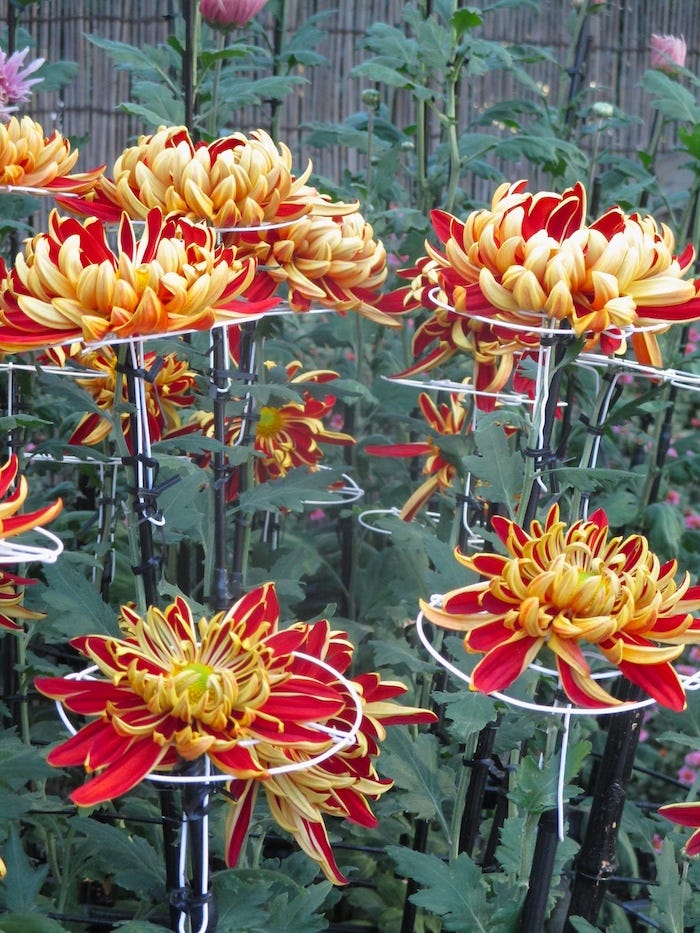
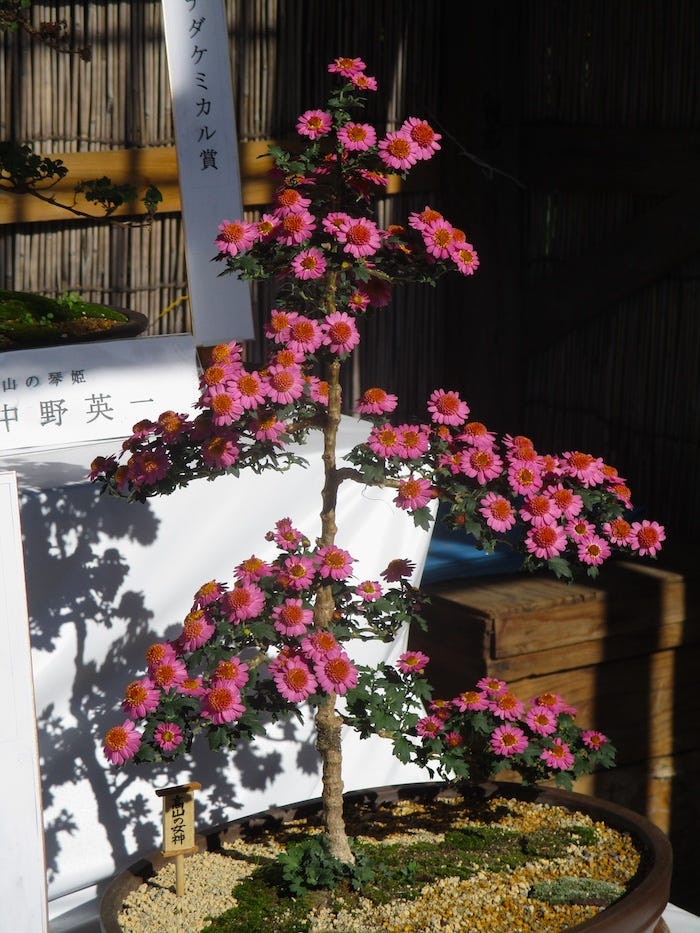
Only the Sankeien Garden in Yokohama had tags on certain plants. This garden was also the one with the most flowers, compared to the others. Here, they also sell plants and are involved in breeding new Chrysanthemum varieties.
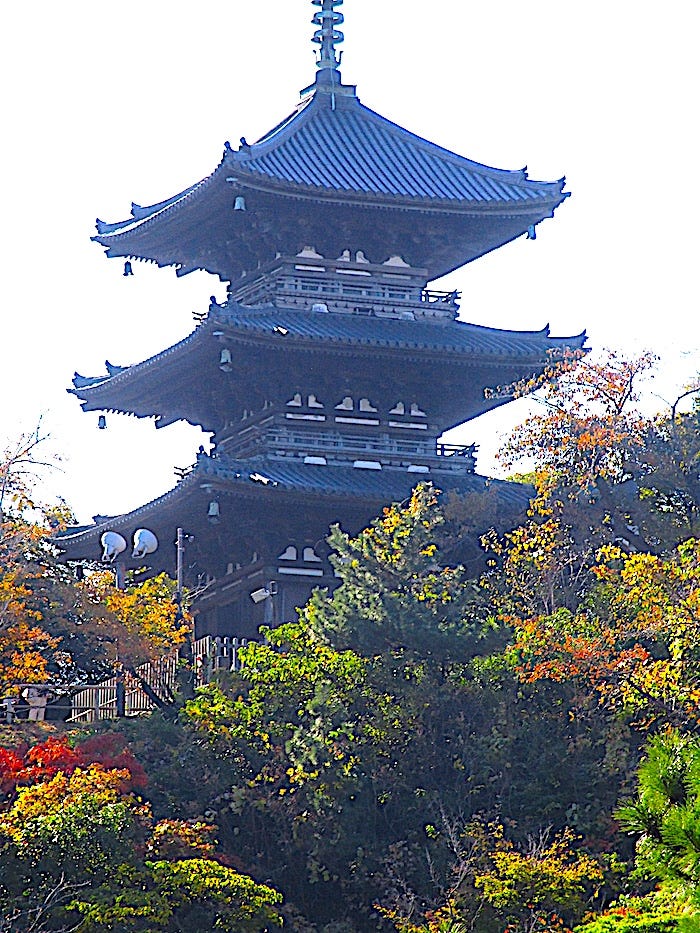

On top of the Sankeien Garden is a platform from where I could see Mount Fuji on this beautiful, clear, sunny day. An unexpected highlight!
The most “Classical Japanese” garden in my mind, however, I found at my hotel in the southern city of Kitakyushu. It is called “Art Hotel” and displays an enchanting garden surrounding the building with a variety of trees, small lakes, and rocks.
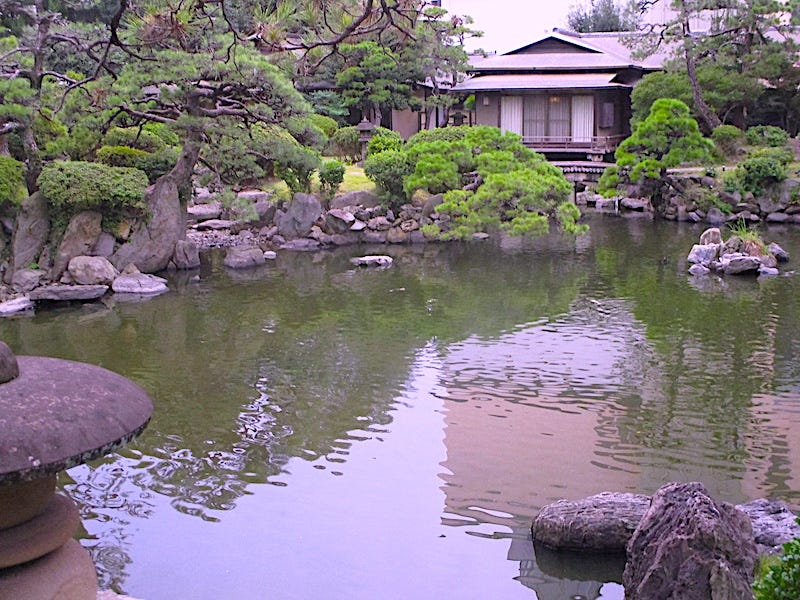

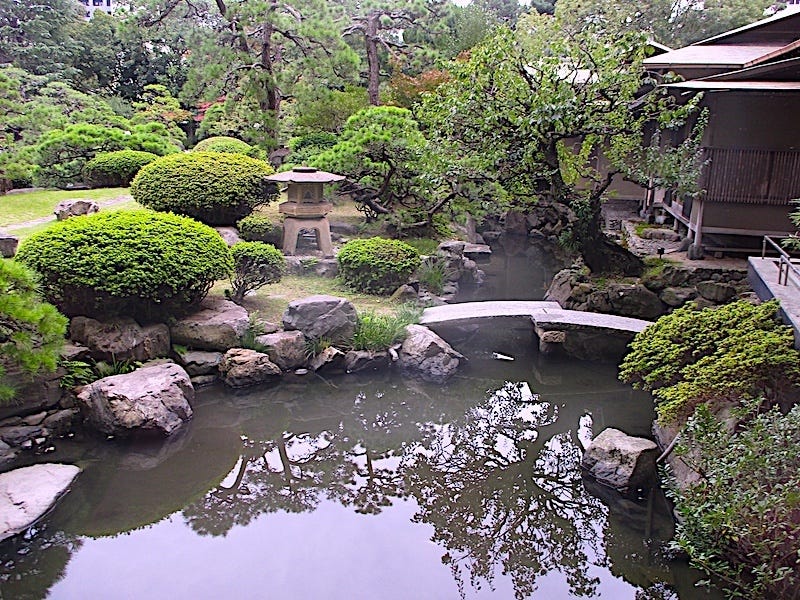
Having breakfast or tea and looking out through floor-to-ceiling glass walls into the garden was such a pleasure. I could have spent hours there.
Another Classical Japanese Garden surrounds the Adachi Museum of Art:
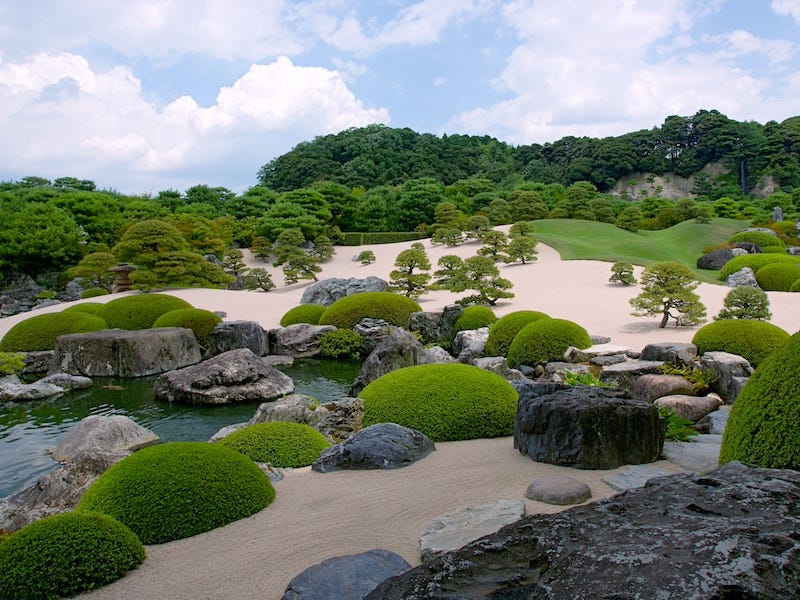
This garden has been ranked Japan’s finest for 22 consecutive years by the Journal of Japanese Gardening (also known as Sukiya Living Magazine). The Adachi Museum of Art Garden is located in Yasugi City, north-east of Hiroshima, near the Pacific coast.
The broad sandy expanse represents the sea or a pond. Brooms are used to depict ripples and whirlpools. Stones symbolize mountains or valleys, inviting us into a world of profound tranquillity and meditation.
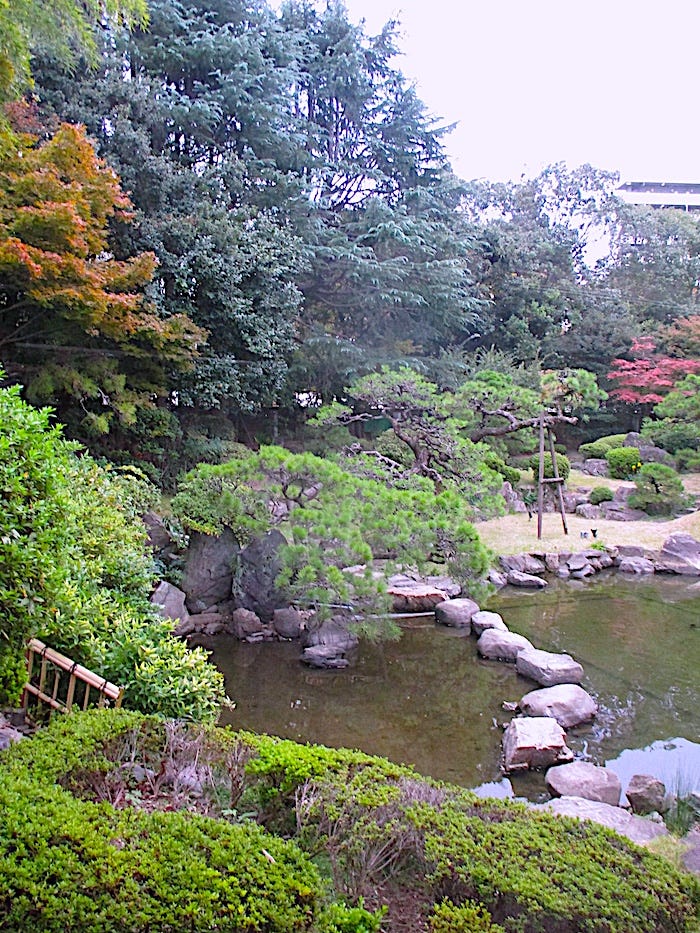
Other places to enjoy beautiful plants and gardens are the surroundings of temples and shrines, or castles in Japan. They all have park-like vicinities.
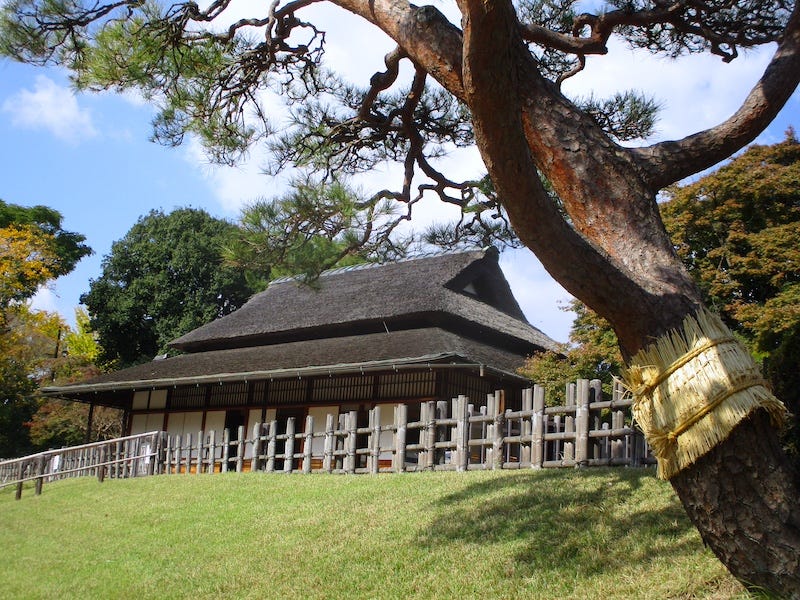
https://www.sankeien.or.jp/around/course/course02/
https://www.japan-guide.com/e/e4200.html
History of Kenroku-en Garden in Kanazawa https://en.wikipedia.org/wiki/Kenroku-en
https://okayama-korakuen.jp/section/english/
These are the most famous gardens, but there are many more to discover. Over 1,000 public gardens! If you are looking for an escape from the hustle and bustle of cities. Traditional Japanese gardens are popular for their unique architectural designs and tranquil atmospheres.
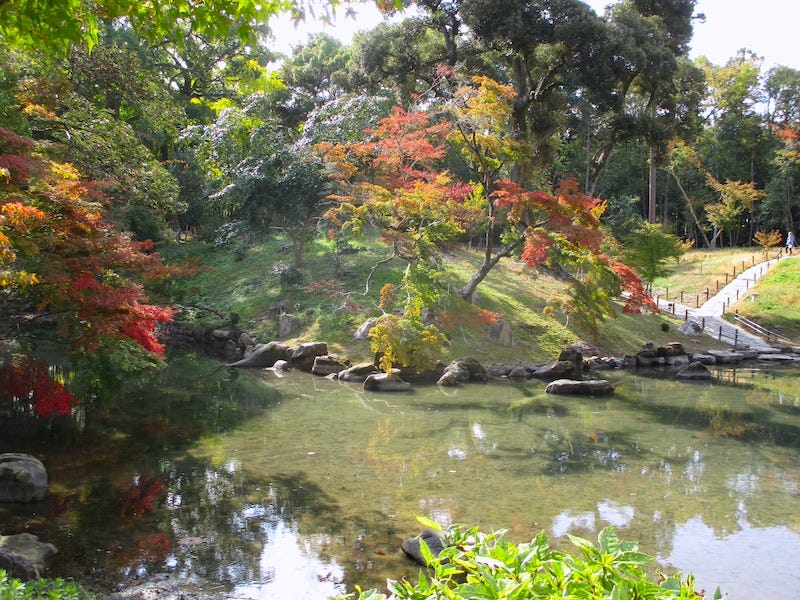
Here is a long list of gardens that visitors can enjoy: https://kokorojapanstore.com/blogs/blogs/12-best-traditional-japanese-gardens-in-japan-you-should-visit-once-in-your-life
Best Gardens in Tokyo
https://www.bbc.com/travel/article/20251016-a-zen-monks-guide-to-the-best-gardens-in-tokyo
The advice from a Japanese monk about visiting gardens:
“I often notice visitors chatting as they walk, and sometimes even eating on the move,” Masuno says. “I’d gently ask that you pause, keep voices low, and give the garden your full attention.” Travellers should limit their phone use, too. “People can become absorbed in taking photos for social media… It’s perfectly fine to take pictures — but only after you’ve really seen the place. Experience first; record later.”
If you want to read more about what to experience in Japan as a visitor, sign up. The next articles are: “Traveling on the High-speed Shinkansen”, “How I Ended up Accidentally in a Love Hotel”, “Bathing in Hot, Black Sand”, “Hot Springs and Onsens”, “Sweets, Sweets, and More Sweets in Japan”, “Beautiful Train Stations”, Posh Hotels for Low Prices”, and many others.

No comments:
Post a Comment