Showing posts with label Mountains. Show all posts

Saturday, December 6, 2025

The 25 Best Things About Staying in Japan


Culture shock is a friendly description of what I am experiencing right now. I just arrived in Europe from a trip that lasted from late September to this week in Japan.

When friends asked me what I loved so much in this country, I rattled off all the positive experiences I had there and what I am missing in Europe, but also in North America.

.


Besides the wonderful landscapes: beaches with crystal-clear water, mountains of all heights, blue bamboo forests, many volcanoes, often still active, waterfalls and gorges, countless castles, marvelous botanical gardens, and beautiful flowers that bloom into December, the list goes on and on…

Press enter or click to view image in full size

Here is What I Especially Loved:

People in Japan are polite and respectful to their customers. It started already at the airport in Vancouver when the ANA check-in counter staff greeted and bowed to the passengers waiting.

Japanese culture emphasizes harmony, respect, and group collectivism. There was quiet behaviour on planes, trains, and buses, avoiding loud public displays — tourists don’t seem to realize that.

Passengers on trains, trams, or buses are lining up properly and don’t skip lines. Japanese travellers ship their luggage by special, fast, and inexpensive carriers to their destination. In contrast, tourists haul their heavy suitcases (often two suitcases plus a backpack) into a small tram or bus, and block other travelers’ paths.

Onsens — Hot Springs

Haneda Airport in Tokyo, one of the best in the world, has a 24-hour public Onsen (hot springs) and a spa facility called Izumi Tenku no Yu, located on the 12th floor of the Hotel Villa Fontaine Grand (Terminal 3), and is connected to the Haneda Airport Garden. It features natural hot spring baths (including a rooftop open-air bath with views of the airport and Tama River), saunas, and a restaurant.

Press enter or click to view image in full size

You don’t need to be a hotel guest to use the facility, which is supplied with natural Onsen water and offers showers, rental towels, and lounge wear. Plus, you can get a relaxing massage — lovely after a long flight!
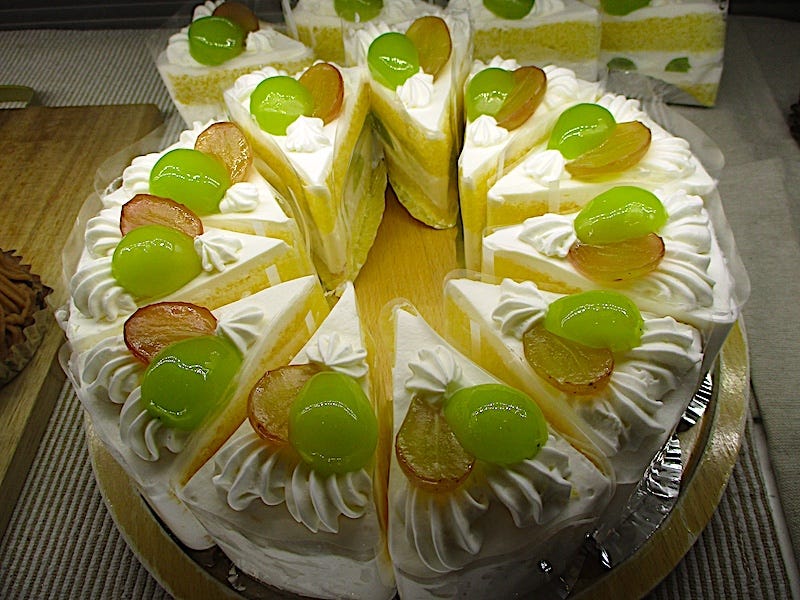
I gained a couple of pounds, especially when traveling by train. The train stations are amazing! They look more like malls with dozens or hundreds of bakeries, confectioneries, and artistic dessert shops.

Press enter or click to view image in full size

The variety is amazing. Even in small train stations, you could often buy outstanding food and sweet treats.

Press enter or click to view image in full size

Throughout cities, fine food is everywhere! Even on the island, where I stayed for weeks, and where mostly only old farmers live, there was a cafe-restaurant that would fit in New York or Paris. Japan is a paradise for foodies!

At most restaurants and hotels in Japan, the service charge is already included, and tipping is not expected. In fact, offering a tip might make staff uncomfortable or confused, especially in more traditional or upscale places. However, I tried to tip every time I took a taxi, and the drivers were all pleased.

Comparing the Way-of-Life Between Japan and Western Countries

I liked that taxis were all super clean and had white covers over the seats. The taxi drivers were well-dressed and groomed, and respectful to passengers. They sometimes even spoke a couple of words in English or used their cell phone to translate.

Press enter or click to view image in full size

Entering a house or a hotel room, the Japanese take off their shoes and put on slippers. In hotel rooms, guests will always find brand-new sealed slippers at the entrance.

Most hotels also offer a bathrobe and slippers. Toothbrush, toothpaste, shampoos, etc., are essentials in every hotel room. They also have tea kettles and often green tea, sugar, etc. One always feels like in a five-star hotel for the price of a two-star place. Hand showers are everywhere, in hotel rooms, or Onsens. Hotels are classier than in Europe or North America. Some of the best breakfast buffets I have ever seen were offered in hotels.

Friendly people helping with directions — especially women (if they speak English). Store employees often translate on phones.

Europe’s beautiful, medieval buildings are covered with graffiti — something you won’t barely ever see in Japan. No cigarette butts, dog poo, or garbage on the city streets - contrary to Europe and other parts of the world.

Japanese people are also not tattooed, unless they belong to a criminal gang.

Local Japanese people are honest. I forgot money on a table, a lady ran after me and handed it back. I also forgot several times to lock my bicycle, but no one stole it. I also left my camera in a taxi cab, and the driver brought it back to the hotel!

It is so relaxing to travel in a country where visitors and locals alike don’t constantly need to watch their belongings.

In Japan, it’s considered bad manners to blow your nose in public, especially in quiet places like trains, offices, classrooms, or elevators. Or god forbid, on a restaurant table! Many people also wear masks.

Press enter or click to view image in full size

People always carry an umbrella with them, for rain or shine. Often, you can borrow them or buy them for a small amount. There are lots of umbrella holders everywhere in the cities or on ferries. 

In restaurants and coffee shops, you will find light boxes, often made of fabric, where guests can place their handbag or laptop while eating.

In Japan, you hand everything to other people, from gifts to business cards, to money with both hands, preferred on small trays.

Press enter or click to view image in full size

Japanese trains are fast and punctual; only once in three months did a train have a 3-minute delay. It prompted a lengthy apology, and the connecting train waited for the passengers. Train travel is easy, even if you don't speak Japanese (mostly marked in English too), and rather cheap, the same for trams in cities.

Press enter or click to view image in full size

There are so many trains throughout Japan that you barely ever need a car. The infrastructure throughout the whole country is exceptional. Ground markings for blind people are everywhere in the country. However, there are not many wide-door restrooms for the handicapped and wheelchair users. Otherwise, toilets are state-of-the-art, and most of the time the rims are heated.

Press enter or click to view image in full size

There were only four things I really didn’t like:

  • Few folks spoke English, even though they learn it for years in school. This happened mostly in the southern part of Japan. And strangely, even in some tourist information offices.
  • Many restaurants, ferries, and even saunas, or relaxation rooms in Onsens are equipped with TVs. The program is almost worse than in North America. Bring a headset with you to avoid the noise!
  • Stores in the South or rural areas, or small ferries, don’t accept credit cards. Bring enough cash.
  • During the Pacific War, Allied forces conducted air raids on Japan from 1942 to 1945, causing extensive destruction to the country’s cities and killing between 241,000 and 900,000 people. This might be the reason that modern cities often don’t have heritage buildings and are rebuilt in an unattractive way. Beautiful houses or restored castles are mostly found in villages.
Press enter or click to view image in full size

Saturday, November 16, 2024

Southern Tyrol, Italy, in all its Fall Glory


.

No other vacation was ever more relaxing than my visits to South Tyrol in late fall: Soaking up the sun before the approaching winter, hiking through colorful forests and vineyards, and enjoying the view of the beautiful surrounding mountains. In one sentence: Experiencing the golden autumn in this breathtaking landscape in Northern Italy is a special gift for me.

.


This year, from late October to mid-November the sky over South Tyrol was Azur-blue and the sun was shining all day long. After the “Toerggelen” tourists left at the end of October, it became easier to get a table at the many fantastic restaurants, dotting the area. "Toerggelen" means drinking (enormous amounts) of grape most (cider) and young wine.  Törggelen refers to the "Torggl" (Latin torquere, to turn), i.e. the wooden wine press in the farmers’ cellars.  It is one of the favorite traditions in South Tyrol and extremely popular with tourists. 

.


My daily delight is the wonderful dishes that are served in this former Austrian province: home-made dumplings (filled with spinach, cheese, or ham), fresh mushrooms, ravioli, venison, lamb, ducks, and BBQ-roasted chestnuts. Some of these restaurants (Hof as they are called here) are five, six, or even seven hundred years old and for many generations in the families.
.


From Bolzano southwards, almost to Trento, lies the “Weinstrasse”, the South-Tyrol Wine Road, inviting hikers, bikers, and slow strollers to savor the beautiful landscape, the picturesque villages, and the hospitality of the locals. More than 800+ acres of vineyards encircle Bolzano, besides around the same amount of apple orchards.
.


For years, I have been renting a room with a large balcony in a cozy, hidden guesthouse on top of the Kurtasch town. The owner, a now 80-year-old lady created a beautiful garden with palm trees, lemon bushes, and thousands of roses and other flowers that are still blooming in November. Most of the people in the area speak very well German, and many additionally Italian. 


.


.

So Much to See and Do


When you read the name Alto Adige, it means South Tyrol and the Bolzano area in Italian. No matter how the weather turns out - rain or shine (mostly shine as South Tyrol has an average of 300+ sun-shine days per year), there is so much to do, one just cannot get bored, even during a 6-8 weeks vacation. From Skiing in the mountains in Winter, paragliding or cycling in Spring, to hiking in summer until the end of fall. The Mediterranean climate lets millions of apple trees bloom in early April - just like the cherry blooms in Japan. 

.


During summer and into late fall, farmers offer their (bio) products in markets and farm stands. Dozens of cable cars bring visitors up to the mountains in case they don’t hike up (like me).  Several mountain pass roads allow you to drive up to the summits where almost always nice restaurants or coffee shops with lovely mountain views invite tourists and locals to relax on mountain tops.

.


Follow the footsteps of Empress Elisabeth “Sissy” who resided in the spa town of Meran/Merano
In the hay bath, a South Tyrolean mountain pine bath, or mineral water baths, people have been finding relaxation and relief from physical ailments for centuries. A great idea for cooler or non-sunny days!  

.


Explore the cultural side in the many museums in South Tyrol. From a 5,000-year-old glacier mummy named Ötzi to the largest secular fresco cycle from the Middle Ages at Schloss Runkelstein castle in Bolzano/Bozen. From imposing castles and palaces on the Alto Adige Wine Road to hip architecture and contemporary masterpieces by star architects on the Kronplatz.  From the Alpine Romanesque Road in the Vinschgau valley to the Nature Park, visitor centers throughout the region. South Tyrol is rich in ancient, innovative, unique, and contrasting cultural treasures to discover.


.


Visit Italy's Most Beautiful Villages: 

Kastelruth - Castelrotto, Neumarkt - Egna, Glurns - Glorenza, Klausen - Chiusa, Sterzing - Vipiteno are by far some of the most beautiful towns in Italy. You can reach all these towns by bus. Should you visit by car, extend your trips into the mountains and lakes around Bolzano, the gateway to the Dolomites.  Seiser Alm, Lago di Carrezo-Karer See, Ritten pyramids, the Rose Garden mountains, Ortler (3,905 m high), Canazei, Wolkenstein, and Corvara, and even a road trip to Cortina d’Ampezzo and the Nature Park “Drei Zinnen” with the magnificent mountain peaks … These tours are all showing the fascinating landscapes of South Tyrol. No matter in which direction you drive or take a bus, stunning views are galore.


.


Reinhold Messner’s Six Mountain Museums in the Mountains of South Tyrol


These six museums by the famous mountaineer are on my bucket list to visit one day:


The MMM Corones was designed by star architect Zaha Hadid. It can be visited at the peak of the 2,265-meter-high Kronplatz near Bruneck.


The Ripa MMM museum at Brunico Castle is dedicated to the mountain peoples of the world. It aims to connect the mountain peoples of all over the world and to invite an exchange between the cultures. 


The area of King Ortler - there is no more appropriate place for a museum dedicated to the topic "ice". It is completely underground, and visitors get a wonderful view of the eternal ice and the glaciers in an exhibition area.


"The Museum in the Clouds", as the MMM Dolomites at Monte Rite, is also called, is dedicated to the magic of the "pale mountains". It is located on the 2,181 m high Monte Rite, between Pieve di Cadore and Cortina d'Ampezzo.


Mask collections from five continents, an adventure library, a gallery with images of the Sacred Mountains of the World and a Tibetika collection, are just a few of the sights in the MMM Juval, the museum of Reinhold Messner, which is located in the medieval castle of Yuval.


The heart of the entire museum projects, the MMM Firmian, is located at Castle Sigmundskron near Bolzano and introduces you to the history and art of mountaineering. 


.


Visit the Castles 


In Bolzano, Castle Mareccio - Schloss Maretsch is an impressive sight. Surrounded by beautiful vineyards and framed by the mountains, it offers a stunning backdrop. The well-preserved walls and towers give a real sense of the history of the place. The peaceful setting and scenic views make it a lovely spot for a walk around the ground. The interior of the castle is for private use or public events reserved.

Half an hour from the city is the Sigmundskron Castle which houses the legendary climber’s Reinhold Messner Mountain Museum. The museum explores the relationship between man and mountain. 

Climb up to the ancient ruins of Schloss Rafenstein to take in the view of Bolzano and the surrounding mountains. 

Castel Roncolo - Schloss Runkelstein is accessible from the Talvera Promenade in the city center or the line 12 shuttle bus from Waltherplatz. An abundance of frescos graces its walls providing a view into medieval life.

.


Bolzano - Bozen


One of the busiest places in the city for locals and visitors alike - a feast to the senses - is the outdoor market on Piazza delle Erbe, next to the Laubengasse. These shade arcades allow for comfortable shopping during sunshine, rain, or snow.  Another place to be is the Walter Vogelweide piazza with its gothic cathedral, enjoying to sit in one of the many inviting cafes and restaurants that frame the place.  The place is also home to the largest and most beautiful Christmas markets in the middle of Europe. (Believe my opinion, I visited during my whole life all of them - from Vienna to Strassburg and from Cologne to Munich). Bolzano is the best one!  A good time to visit is from Monday to Friday. On weekends are too many people showing up.

.


No matter where you go for coffee, sweets, or wine and tasty meals, you barely ever go wrong. My favored places are the Voegele restaurant and wine house, the Hopfen&Co, and the Cafe Thaler.  For sweets, I recommend the Pasticceria Caffè Lintner or the Guglielmo's Café - just to name two of the many, many wonderful coffee houses in town.  For an exceptional culinary dining experience in an art nouveau and palm setting, try the 5-star restaurant, Laurin.  


.


The hotel in which the restaurant is placed reminds of the golden times when Empress Sissy stayed here. I remember a stay there many years ago I marveled at the half dozen writing desks in the hotel lobby from bygone times when hotel guests wrote postcards to their loved ones at home instead of sending selfies. 

If you would like to stay in a medieval building in the middle of Bolzano, choose the apartment hotel Cooper. I rented one, years ago, for a week, and liked it a lot. Current online reviews are second my opinion. They offer tasteful places in Meran and Obereggen too.

.


Don’t miss visiting the home of Bolzano’s most famous resident in the Tyrol Museum of Archaeology: 5,300-year-old “Oetzi”.  The mummy was found by two hikers on an icy mountainside in 1991. He is the oldest intact human ever found, a world sensation. The lonely death of Ötzi the Iceman on the glacier in the Ötztal Alps over 5,300 years ago still moves people today. Who ambushed him with a bow and arrow on that fateful summer day? 


.


Botanical Garden in Meran


As the weather was so beautiful in early November, I decided to finally visit Meran’s botanical garden around Trautmannsdorff Castle.  Somehow I never made it to visit in spring when millions of daffodils, tulips, and other spring bulbs come to live - even though Meran’s Botanical Garden is just thirty kilometers from Bolzano. Surprisingly, it seemed to be as colorful on this November day as it might have been in Spring. Hundreds of Chrysanthemums, Zinnias, Heide plants, and Coleus, just to name a few display their colors on the hill that is beneath the castle. 

.


The gently meandering paths through the garden offer visitors the opportunity to explore plants from all over the world, across sunny terraces and past gurgling stream waters.  South Tyrol has a tradition of fruit cultivation that dates all the way back to the Middle Ages. Old local apple and pear varieties that have largely disappeared today grow in the orchards of the Gardens of Trauttmansdorff Castle.  

.


At the foot of the terraces is the romantic Water Lily Pond. A dense planting of irises, daylilies, and grasses encircles brightly colored water lilies.  Lotus flowers rise up out of the water and a dense palm forest fringes the shore; in the spring, camellias and azaleas bloom amidst more than 200 palms. I could have spent a whole day in this marvelous place. Plan at least four hours!  There are also daily garden tours in German at 11.00 a.m. or in Italian at 11.15 a.m. for only €7.00.

.


The Mediterranean climate and surrounding mountain landscape make the gardens a unique experience. Water, terraces, and stairs: European garden architecture at its best.  The Botanical Garden of Trauttmansdorff Castle has been declared “one of the most beautiful botanic gardens of Italy” (2005) and is also considered to be one of the most amazing gardens in Europe. Furthermore, the Gardens of Trauttmansdorff Castle received the “International Garden of the Year Award” at the “Garden Tourism Conference 2013″ in Toronto, Canada. 


.


https://www.suedtirol.info/en/en/seasons/autumn/toerggelen

https://www.fronthof.com/

https://www.suedtirol.info/en/en/experiences-and-events

https://www.suedtirol.info/en/en/experiences-and-events/culture-and-attractions

https://www.suedtirol.info/en/en/experiences-and-events/culture-and-attractions/architecture

https://www.messner-mountain-museum.it/en/

https://peakvisor.com/adm/south-tyrol.html

https://throneandvine.com/discovering-bolzano/

https://www.stay-cooper.com/en/

https://www.arome.bz/en/

https://www.iceman.it/en/coldcaseoetzieng/

https://www.trauttmansdorff.it/en/The-Gardens/


.


<><><><><>

.